Home Insurance Inspections 101: What Homeowners Need to Know
May 5, 2026 — Homeowner insights | Insurance insights


A home insurance inspection is a routine step insurers use to understand your home’s condition and spot issues before they become bigger problems. It is a standard part of keeping your home properly covered, though it often catches homeowners off guard. Although it may feel unexpected, or stressful, this step is standard and designed to help protect you.
Understanding more about your home insurance inspection may help you avoid surprises or delays in coverage.
This guide breaks down why home inspections for insurance happen, what insurers look for, how often they occur, and what can cause a home to fail an inspection. It also explains how a home insurance inspection is different from the home-buying inspection.
What Is a Home Insurance Inspection?
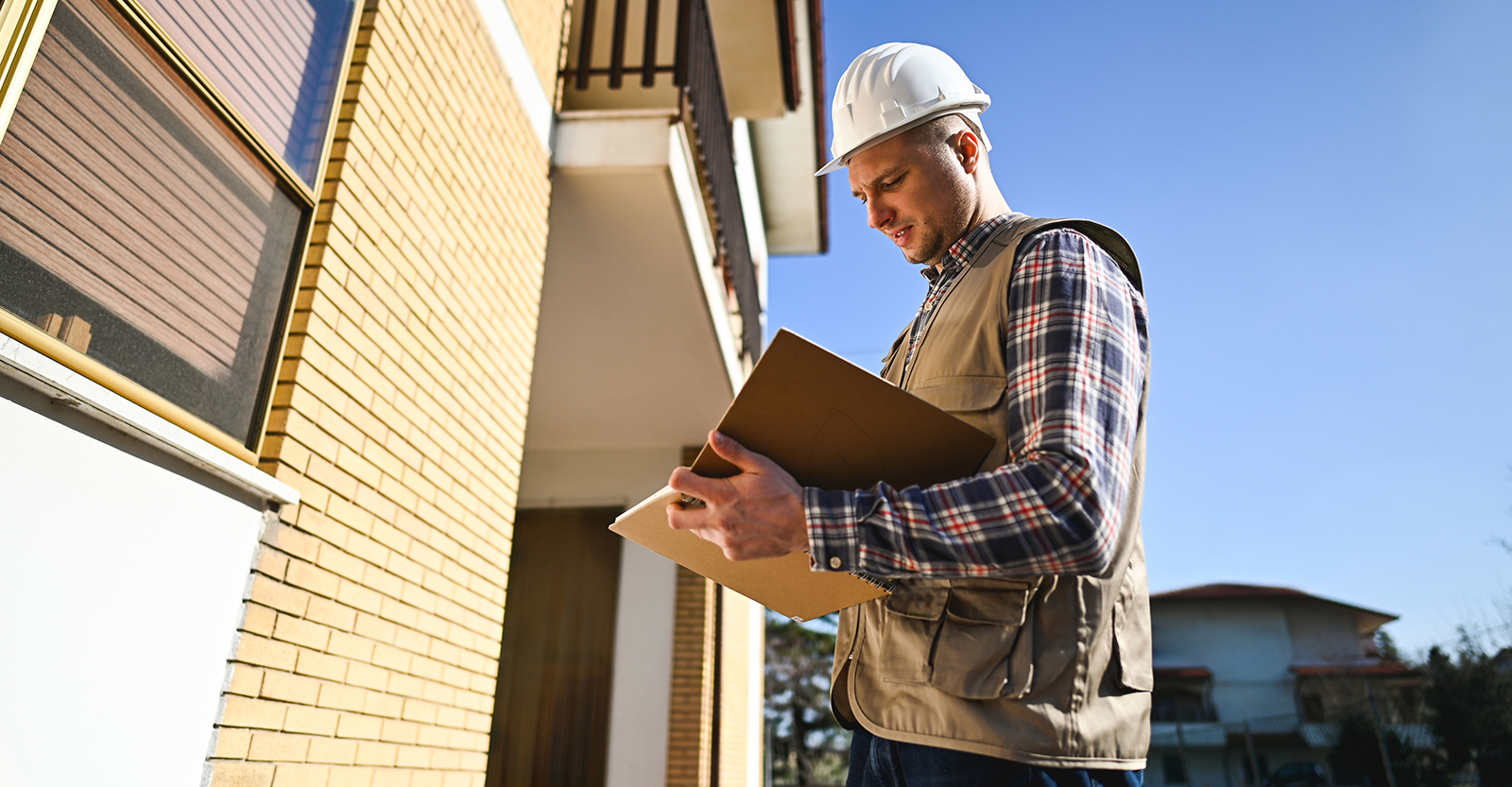
A home insurance inspection is an evaluation of your property conducted on behalf of your insurance company. The goal is to understand the home’s condition, identify potential hazards, and confirm that the policy accurately reflects the home.
Unlike a real estate inspection that takes place before buying a home to protect the buyer, an insurance home inspection is for the insurer. It helps identify any potential maintenance issues and the likelihood of future claims. Left unaddressed, these issues can increase the risk of damage or loss over time.
Inspections can be completed in several ways:
- An exterior-only inspection.
- A full interior and exterior inspection.
- A virtual or photo-based inspection.
- A drive-by inspection using third-party data.
The type of inspection depends on the insurer and factors such as the home’s age, location, coverage limits, and past claims history.
Why Do Insurance Companies Inspect Homes?
Insurance companies inspect homes to manage risk. A well-maintained home is less likely to experience preventable losses, which means less surprises, safer homes, smoother coverage—and potentially fewer claims over time.
According to an Insurance Journal survey, 26% of homeowners are unaware that neglecting home maintenance can negatively affect their homeowners insurance policy.
This is especially true for losses like water damage, roof failures, or fires. In fact, water damage is the second-leading cause of insurance losses, according to the Insurance Information Institute.
A home insurance inspection also helps insurers:
- Verify property details (roof type, square footage, construction materials).
- Identify safety or maintenance issues.
- Confirm that coverage limits are appropriate.
- Reduce the chance of unexpected claims.
Insurers typically order inspections after you buy a new policy, but longtime policyholders may also be inspected. An inspection may be requested when you change your coverage limits or after a major weather event.
How Often Do Insurance Companies Inspect Homes?
Insurance companies inspect homes based on risk and underwriting needs, which can vary widely by insurer and property type. There’s no single rule for how often insurance companies inspect homes, but most inspections occur during the standard checkpoints of a policy.
Most inspections happen:
- Shortly after a new policy is issued.
- After purchasing a new home.
- When switching insurance companies.
- After filing certain types of claims.
Some insurers may reinspect periodically, especially older homes or properties in higher-risk areas. Others may rely on exterior inspections or third-party data, like property records, rather than full interior visits to confirm property details and coverage.
What Happens During a Home Insurance Inspection?
During a home insurance inspection, the inspector focuses on features that could affect safety or increase the risk of future claims. This usually includes a review of both the exterior and, when required, the interior of the home.
Exterior Inspection
- Roof condition, age, and materials
- Siding, windows, and doors
- Gutters and drainage
- Chimneys, decks, and railings
- Trees or vegetation near the home
- Potential hazards like pools or trampolines
Interior Inspection (if applicable)
- Plumbing and signs of leaks
- Electrical panels and wiring
- HVAC systems
- Water heaters
- Smoke detectors and safety features
In addition to identifying potential hazards or maintenance concerns, inspectors also confirm that the home is insured to value. This means the coverage amount reflects the home’s replacement cost, not its market price.
The inspector will take photos and submit a report to the insurance company for review. Depending on the insurer, you may or may not receive a copy of the report.
Home Insurance Inspection Checklist: How to Prepare
Preparing for a home insurance inspection doesn’t require major renovations, but basic maintenance goes a long way. Using a simple home insurance inspection checklist can help you get ready and avoid surprises.
Before an inspection, consider taking these simple steps:
- Clear access to the attic, electrical panel, and water heater.
- Replace missing or damaged smoke detectors.
- Fix obvious leaks or dripping faucets.
- Secure loose handrails or steps.
- Remove debris from the yard and roof.
Routine maintenance plays a key role in passing an inspection and reduces the chance of concerns being raised.
What Will Fail a Home Insurance Inspection?
If your home is in overall good condition, you don’t need to worry about failing a home insurance inspection. However, inspectors do look for issues that could increase the risk of damage or future claims.
Common issues include:
- Roofs in poor condition or older roofs that are past their useful life.
- Active water damage or plumbing leaks.
- Outdated or unsafe electrical systems.
- Unrepaired structural damage.
- Fire hazards or missing safety equipment.
- Certain liability risks, such as a trampoline or an aggressive dog.
Failing an inspection doesn’t automatically mean your policy will be cancelled. In many cases, insurers provide a list of required repairs and a deadline to complete them.
Can I Refuse a Home Insurance Inspection?
Technically, you can decline an inspection, but doing so may have consequences. Your insurance company may:
- Limit coverage.
- Increase your premium.
- Cancel or non-renew the policy.
Ultimately, inspections ensure your coverage accurately reflects your home, helping protect you and your insurer. Because inspections help insurers understand a home’s condition, refusing one may prevent them from accurately assessing your risk.
What Happens After the Inspection?
After the inspection, the insurance company reviews the inspection report and determines whether any action is needed. Possible outcomes include:
- Requests for repairs or updates.
- Adjustments to coverage.
- Changes to insurance premiums.
If no issues are identified, no further action is required. If repairs are requested, the insurer will typically provide a reasonable time frame to complete them and may ask for photos or documentation once the work is finished to confirm the updates.
How Is a Home Insurance Inspection Different From a Buyer’s Inspection?
A home inspection for insurance is not the same as the inspection you receive when purchasing a home. Each serves a different purpose.
A buyer’s inspection:
- Evaluates the overall condition of the home.
- Identifies defects for negotiation.
- Benefits the buyer.
A homeowner’s insurance inspection:
- Focuses on risk and safety.
- Confirms property details for underwriting.
- Benefits the insurer.
These two inspections have very different purposes and should not be confused.
Now that you know what to expect, you can be ready for your insurance inspection. Understand why it happens, how to prepare, and what insurers look for. If you’re practicing regular home maintenance and handling necessary repairs, you’re already one step ahead.
A successful inspection isn’t just another item to check off your to-do list—it’s a strong indicator of a well-maintained home, fewer potential claims, and more stable coverage over the long term.
 Back to Insurance Insights