Normal Wear and Tear Vs. Sudden Damage: What Home Insurance Covers
June 12, 2026 — Homeowner insights | Insurance insights


What is Normal Wear and Tear in Home Insurance Terms?
Definition: Normal wear and tear is the gradual deterioration that naturally happens to a home over time. Aging roofs, worn plumbing, fading siding, and worn appliances are all common examples.
Homeowners across the country are delaying repairs at growing rates—and it’s creating new risks for homes, budgets, and insurance claims alike. According to recent research from Fintech Finance News, 62% of US homeowners have postponed essential maintenance due to financial pressure, contributing to an estimated $317 billion in claims exposure industrywide.
As homeownership costs rise and more homeowners delay repairs, understanding the difference between maintenance and sudden or accidental damage is becoming increasingly important.
Normal Wear and tear vs Damage
Home insurers refer to normal wear and tear as the gradual deterioration that naturally happens to a home over time.
This differs from what homeowners insurance is designed to cover, which is sudden and accidental damage—not damage caused by long-term aging, maintenance issues, or normal use.
Sudden or accidental damage refers to unexpected events, like wind damage, a burst pipe, fire, or hail that happen quickly rather than over time. These are the types of incidents that homeowners insurance is designed to help protect against. Understanding the difference can help homeowners avoid surprises, especially at the time of a claim, and take steps to better protect their property.
One of the most common sources of confusion for homeowners is understanding why one type of damage may be covered while another is not. In many cases, the difference comes down to whether the damage happened suddenly or developed gradually over time.
Wear and Tear
- Roof aging over several years
- Slow plumbing corrosion
- Worn appliance components
- Gradual moisture damage, mold
Sudden Damage
- Wind tears shingles off during a storm
- A pipe suddenly bursts
- An electrical fire damages the home
- Water damage caused by a storm created entry
In general, insurance helps protect against unexpected events—not predictable deterioration that occurs as a home ages.
Common Examples of Wear and Tear
Roof Aging
Roof aging is one of the most common examples of what is considered normal wear and tear in a home. Roofs naturally deteriorate over time due to weather exposure, heat, wind, and age. Roof materials lose their effectiveness and value over time—a process referred to as roof depreciation—affecting both routine maintenance needs and how damage is evaluated after a loss. Missing granules, curling shingles, and worn flashing are often signs of long-term wear. Replacing an aging roof is part of normal homeowner upkeep.
Proper roof maintenance is essential, as the condition of your roof plays a critical role in protecting your home and preserving its long-term value. According to the Insurance Institute for Business and Home Safety, roof-related damage accounts for an estimated 70–90% of insured residential losses from severe weather events, depending on the type and severity of the weather event.
That kind of exposure is why proactive roof protection matters. To help mitigate storm damage to roofs, SageSure offers LiftLock’s Wind Defense program, a complimentary debris removal and shingle securing service that helps prepare roofs for incoming storms.
Slow Leaks and Plumbing Deterioration
Pipes and plumbing systems can corrode or weaken over time. Small leaks that develop gradually may lead to staining, rot, or mold if left unaddressed.
Because this type of damage typically develops over time, it’s often considered preventable through routine maintenance and early detection.
Aging Appliances and HVAC Systems
Heating systems, water heaters, and appliances experience wear with regular use. Mechanical breakdowns related to age or maintenance are generally considered part of homeownership.
Regular inspections and servicing can help identify problems before they become more serious. You can also add additional coverage for equipment breakdown to help plan for the unexpected.
Exterior Weathering
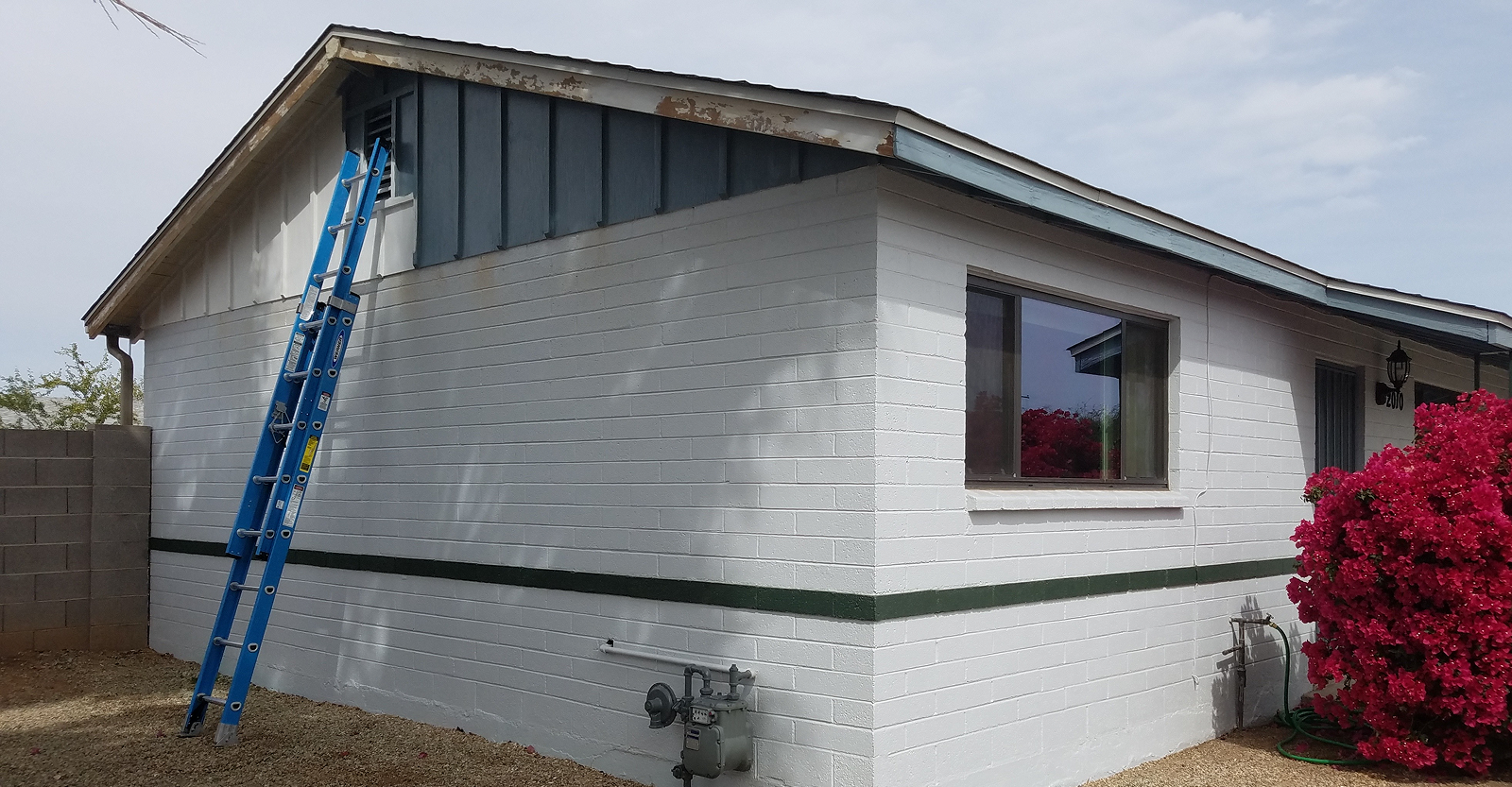
Sun exposure, moisture, and changing temperatures can cause siding, decks, fences, and exterior paint to crack, fade, or deteriorate over time.
Routine upkeep helps preserve the condition of the home and reduce the likelihood of more extensive damage later.
Why Home Maintenance Matters
Routine home maintenance plays an important role in protecting your home and helping prevent small issues from becoming costly problems.
Yet, according to Insurance Journal, over a quarter of surveyed homeowners said they were unaware that delaying home maintenance could impact their home insurance coverage.
Simple preventative steps can make a significant difference over time.
Ways to Help Reduce Wear and Tear Risks
- Inspect your roof regularly for signs of damage or aging.
- Address leaks as soon as they’re discovered.
- Clean gutters and downspouts to prevent water buildup.
- Trim trees and branches near the home.
- Service HVAC systems and appliances routinely.
- Monitor for signs of moisture or plumbing issues.
- Identifying issues early can reduce the cost and scope of repairs.
How to Know When Damage May Be Covered
If damage occurs suddenly or is caused by a covered peril listed in your policy—such as wind, hail, fire, or lightning—contact your insurance provider and to start the claims process. Covered perils are the specific events your policy is designed to help protect against, while gradual deterioration and maintenance-related issues are generally handled differently.
You may want to connect with your insurer if you:
- Discover unexpected damage.
- Experience a storm or covered peril.
- Find water damage.
- Are unsure whether the damage is related to wear and tear or a covered event.
Documenting the damage with photos and acting quickly can help support a smoother claims experience.
Frequently Asked Questions About Wear and Tear
Can Deferred Maintenance Increase Future Damage Risks?
Yes. Small maintenance issues—like minor leaks, damaged shingles, or clogged gutters—can worsen over time and lead to more extensive damage if left unaddressed. Routine upkeep can help homeowners identify problems earlier and reduce the likelihood of larger repairs later.
Is an Old Roof Covered by Insurance?
An aging roof itself is generally not covered simply because it has reached the end of its lifespan. However, sudden storm damage to a roof may be covered depending on the policy and cause of loss.
How Can Homeowners Document the Condition of Their Home?
Keeping records of inspections, maintenance, repairs, and home upgrades can help homeowners track the condition of their property. Photos, receipts, and service records may also be useful when assessing damage after a storm or other covered event.
Understanding Your Home Helps Protect It
Every home experiences regular wear and tear over time. Understanding the difference between gradual deterioration and sudden damage can help homeowners make informed decisions, maintain their property more effectively, and better understand what to expect if damage occurs.
As your home ages and weather risks continue to evolve, maintaining the right homeowners insurance coverage becomes increasingly important. A policy tailored to your property’s specific risks can play a critical role in helping protect your home from unexpected loss.
Regular maintenance, timely repairs, and the right coverage work together to protect your home and reduce the likelihood of costly surprises.
 Back to Insurance Insights