Fire Prevention: How Ting Reduces Electrical Fire Risk
October 3, 2025 — Homeowner insights | Insurance insights


Fire prevention is a critical part of owning a home. Between wildfires, cooking mishaps, open candle flames, and electrical wiring, homes are rife with fire exposure, and potential losses can easily exceed six figures once smoke, structural damage, and rebuilding costs are factored in. Electrical fires in particular are on the rise: from 2014 to 2023, residential electrical malfunction fires rose by 2%, and property damage costs surged 28%, according to the US Fire Administration’s latest data.
Unlike storms or floods, these electrical fires often occur without warning—sparked by hidden faults in wiring or appliances. Each year in the US, more than 51,000 electrical fires damage homes, according to Electrical Safety Foundation International.
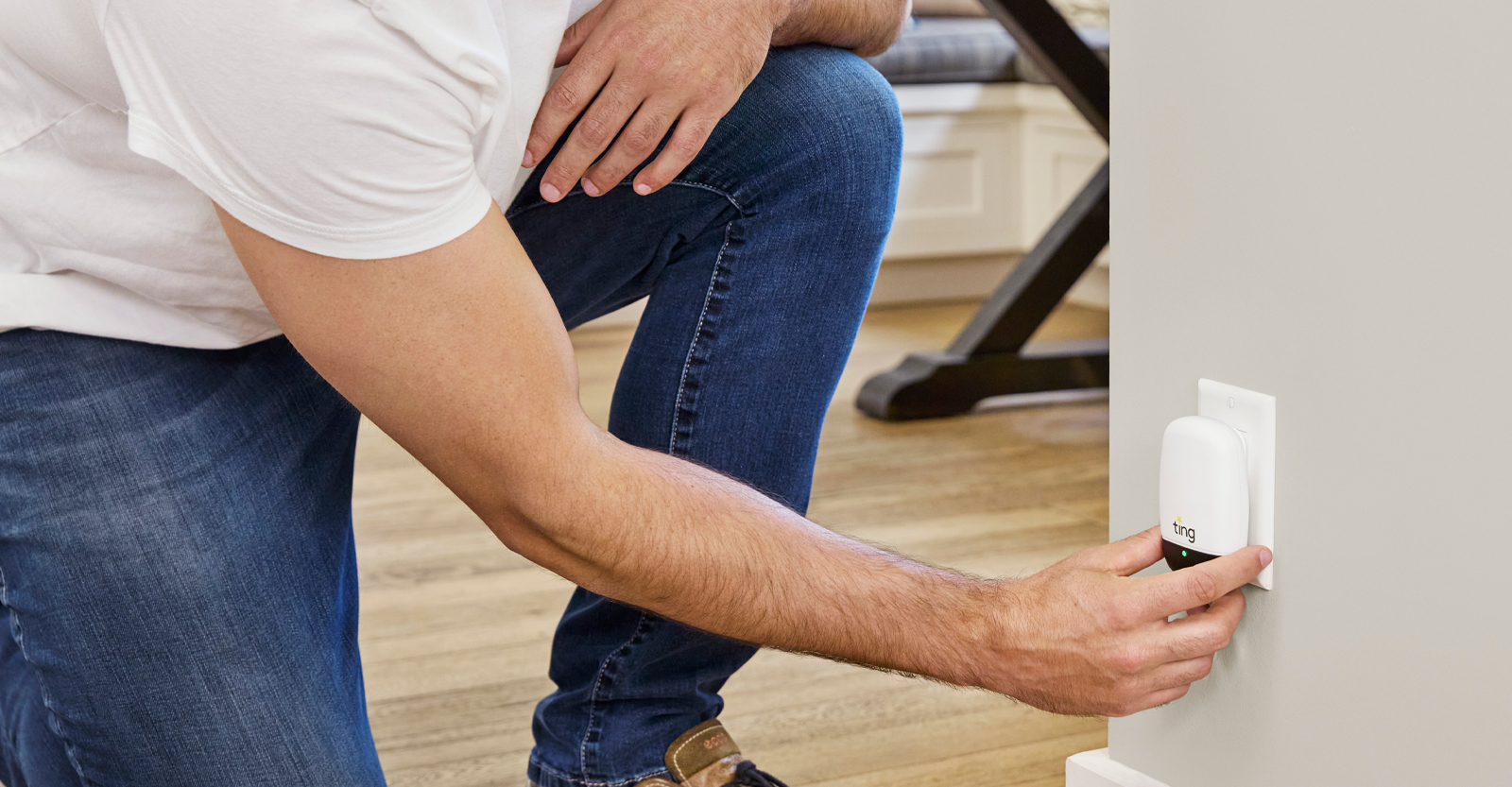
Electrical fire risk calls for a smarter first line of defense. Ting offers exactly that. Ting’s plug-in smart sensor continuously monitors a home’s electrical system for tiny, otherwise undetectable faults. When it detects electrical hazards, Ting alerts the homeowner instantly, enabling faster repairs and preventing fires before they start. The result? Safer homes, fewer claims, and more stable premiums for policyholders.
ELECTRICAL FIRES: A COSTLY RISK
In 2023 alone, residential electrical fires accounted for more than $1.5 billion of losses. Data from the US Fire Administration revealed that 83% of residential electrical fires spread beyond the object where it started, suggesting significant property loss.
Electrical fires pose a real financial risk to homeowners without adequate coverage—especially as US building materials and retail labor costs increased by 4.2% from July 2024 to July 2025, according to Verisk’s 360Value Quarterly Reconstruction Cost Analysis.
COMMON CAUSES OF ELECTRICAL FIRES
A standard homeowners policy typically provides coverage for electrical fires. However, understanding the common causes of electrical fires can help prevent house fires and losses before they happen.
Top Causes of Electrical Fires:
- Old or Faulty Wiring: Wiring that is cracked, frayed, or improperly installed can overheat and spark behind walls.
- Overloaded Circuits and Outlets: Overloaded outlets or power strips can operate above safe limits and cause overheating.
- Electrical Panels and Breakers: If a circuit breaker fails to trip during a surge, it may lead to overheating, potential arc
hing, and fires.
- Lights and Lamps: Using the wrong bulb wattage can overheat the socket. Placing flammable items near lamps can trap heat and start a fire.
- Appliances: Old or improperly plugged-in appliances can increase the risk of overheating and fire.
- Extension Cords: Misuse of cords, like plugging one extension cord into another, and running them under carpet, can trap heat and cause physical damage like fraying which can expose wiring and lead to fires.
- Space Heaters and Portable Devices: Leaving devices unattended or too close to flammable items can lead to fires.
- Improper DIY Electrical Work: Unlicensed or poor-quality electrical repairs and installations can lead to loose connections or overloaded circuits, conditions that commonly cause fires.
SOLUTION: ELECTRICAL FIRE PREVENTION
Understanding the most common causes of electrical fires is the first step—knowing how to prevent them is the next. Homeowners can focus on using electricity safely, maintaining equipment and catching hazards early.
Safety
- Avoid Overlading Outlets: Only one heat
- Use Extension Cords Properly: Never run extension cords under rugs, through walls, or across doorways; and avoid linking multiple cords together. Always use the right type of cord for the job including indoor vs. outdoor and heavy duty vs. light duty and never use extension cords as a permanent fix, or for high powered appliances.
- Match Light Bulbs to Fixtures: Always use light bulbs with wattage at or below the fixtures rating.
- Unplug Unused Appliances: Prevent overheating and reduce risks of sparks by unplugging appliances that are not in use.
Maintenance
- Check Electrical Cords Regularly: Replace frayed, cracked, or damaged cords.
- Update Old Wiring: Have older homes with outdated wiring inspected by a licensed electrician.
- Service Electrical Panels: Ensure circuit breakers are in good working condition and up to code.
Preparedness
- Electrical Panel: Know where it is and become familiar with it if you need to turn power off in an emergency.
- Fire Extinguisher: Keep a Class C-rated fire extinguisher for electrical fires. Never use water on an electrical fire, it conducts electricity and can make the situation worse.
By addressing these risks proactively, homeowners can significantly reduce the chance of a fire and protect both their property and their loved ones.
Detection
Even when using electricity safely and maintaining equipment, electrical fires can occur. Approximately 20% of SageSure’s fire claims stem from electrical hazards. That’s where Ting’s smart sensor and fire prevention service can add an additional layer of protection.
How Ting Works
Ting is a smart sensor and fire prevention service that helps detect and prevent electrical hazards before a fire starts. The sensor continuously monitors electrical circuits for micro-arcs and sparks from faulty wires, loose connections, malfunctioning devices, and even the power coming into your home.
If a hazard is identified, the Ting plug-in sensor and app alerts the homeowner with an app notification, a text message, an email, and a phone call from a Ting Fire Safety Engineer. The engineer walks the homeowner through the hazard and coordinates a plan to resolve it, including connecting them with a licensed electrician. The Ting sensor comes with a remediation credit—up to $1,000—for the electrician’s service, which typically covers all costs.
According to one study, fire prevention technology reduced non-catastrophic fire claims by an estimated 63% within three years of installation.
In addition to fire prevention, Ting also provides real-time alerts for power outages and assistance for frozen pipe prevention as part of its commitment to helping keep families safe and informed.
How SageSure Customers Can Access Ting
Ting is currently available to most California, Florida, Louisiana, New York, Texas, and Virginia SageSure customers. SageSure producer partners can invite eligible homeowners by visiting the Property Services section of Agent Portal and sending an enrollment email. Interested homeowners in California, Florida, Louisiana, New York, Texas, and Virginia can also log in to MySageSure.com to determine eligibility, confirm contact information, and review the user agreement. Once approved, a Ting sensor is shipped. New SageSure customers are eligible after their property clears inspection and the policy is in good standing.
 Back to Insurance Insights